

Nearly three-quarters of the Earth's surface is oceans. The economic value of this surface is more than $24tn, according to a ‘conservative’ estimate from the World Wildlife Fund. Beyond this economic benefit there are also substantial advantages for the climate as oceans absorb 93% of climate heat and sequester 25% of global carbon dioxide emissions.
Despite all this, the ‘blue economy’ is in its relative infancy, far behind its peer the ‘green economy’, when it comes to investment. According to a report by Credit Suisse almost a third (28%) of investors do not address themes relating to the blue economy in their portfolios.
‘Those industries that rely primarily and directly on our ocean-based economy ultimately benefit the most but transmission pathways are such that finance and other businesses will also benefit, as much as be impacted, by poor ocean health.’
However, notwithstanding the limited participation of investors to date, Julia Dreblow, founding director of SRI Services, explained that managers of sustainable and impact funds are ‘increasingly recognising the importance of healthy oceans’.
What is the blue economy?
Definitions of the blue economy vary. The World Bank describes it as the ‘sustainable use of ocean resources for economic growth, improved livelihoods and jobs, and ocean ecosystem health.’
Amy Clarke, chief impact officer at Tribe Impact Capital, explained it encompasses ‘many activities, including fisheries, aquaculture, maritime transportation, waste management, tourism, climate change mitigation and adaptation, and renewable energy.’
However, Clare Brook, former fund manager and CEO of the Blue Marine Foundation, challenges common definitions. She explained that many take it to include industrial-scale fishing that is ‘destroying this life at an unprecedented pace’.
According to Brook it should mean the ‘protection and restoration of ocean biodiversity’, only adding that some of the previously mentioned sectors are actually hindering this goal.
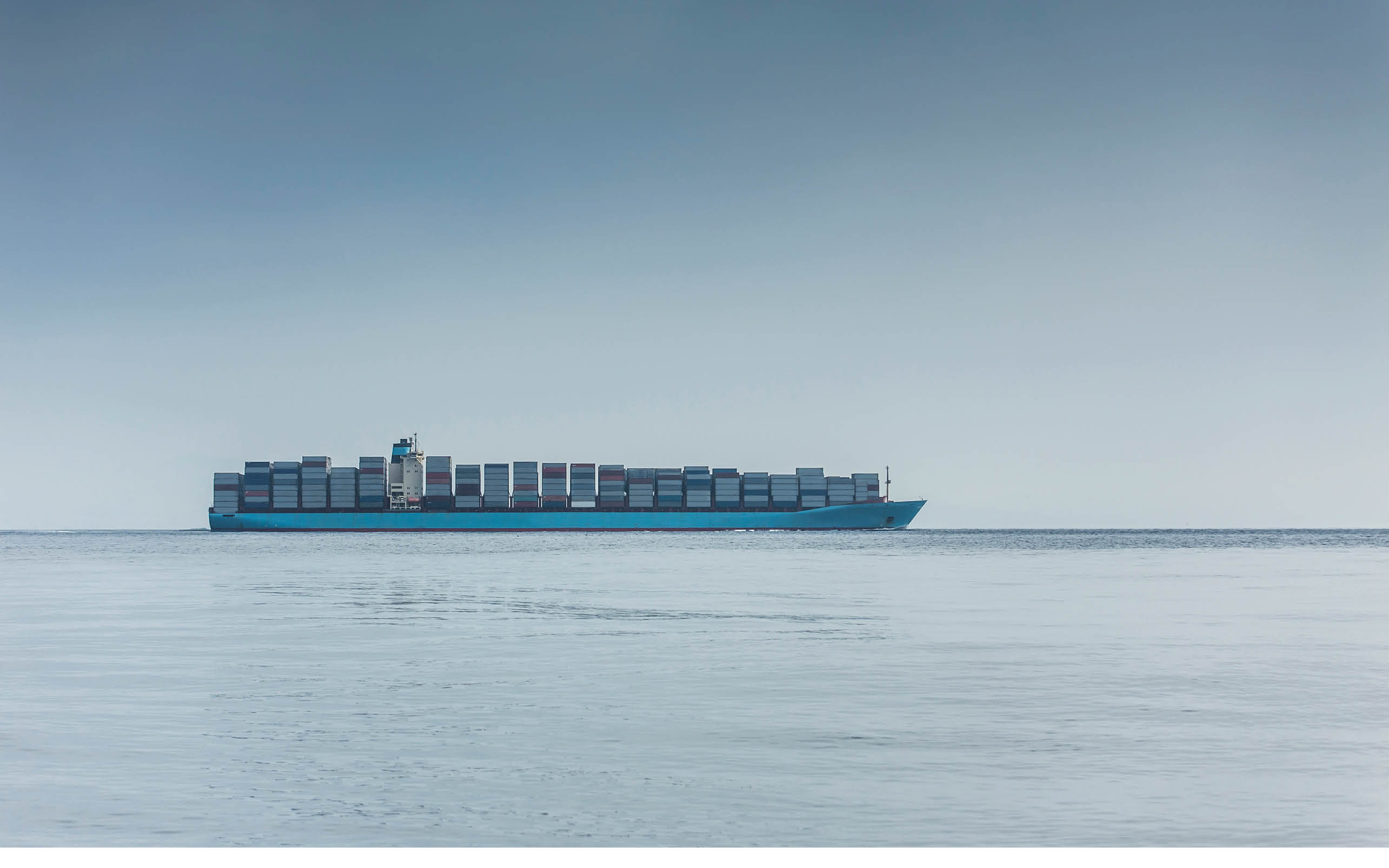
Blue sectors and investing
Depending on the definition of blue economy an investor adheres to, there is a vast array of sectors that would benefit from investment in the area.
‘Those industries that rely primarily and directly on our ocean-based economy ultimately benefit the most but transmission pathways are such that finance and other businesses will also benefit, as much as be impacted, by poor ocean health,’ added Clarke.
Some direct industries include fisheries, food supply chain industries, transport, tourism and energy.
In 2019 direct output from the blue economy was $6.9tn. Trade and transport was an additional $5.2tn and coastlines was $7.8tn.
Clarke continued to point out that investors could choose to invest directly in activities that are serviced by oceans or in ‘services and interventions that value and further protect the role’ of oceans, such as ocean ecosystem restoration.
However, Louisiana Salge, senior sustainability specialist at EQ Investors, explained that ‘direct investment in dedicated blue economy technologies are relatively sparse, with solution companies existing mainly in private markets.’
Clarke agrees, adding that critical interventions require long-term patient capital, which ‘do not always lend themselves to public market investment strategy.’
‘For example, much of the seagrass and mangrove restoration that is really needed is currently funded through philanthropic investment, with growing investment in private markets.
‘However, with more innovative funding products coming into the markets such as conservation bonds and investment trusts there is more opportunity for finance to innovate and channel more capital.’
Indeed, one option for investors keen to invest in this area is blue bonds, whose proceeds are ringfenced to support investment in healthy oceans and the blue economy.
But since the issuance of the first blue bond by the Seychelles in 2018, there have been relatively few to follow and it remains a nascent area of investment.
Salge added that she hopes once the Capital Markets Association confirms a framework for best practice and expectations for these bonds, there would be an increase in issuance.
Other structured vehicles are also in the works, but they are at an early stage. The Blue Marine Foundation is also working to develop financial mechanisms to support the establishment of marine protected areas and carbon credits in the sea.

Blue funds and engagement
Given the challenge of direct investment in this area there are relatively few funds with a specific focus or theme on the blue economy.
According to SRI Services, there are just four funds that identify having such a focus and five funds that have more than 5% of their assets invested in the blue economy. These include: BlueBay Impact-Aligned Bond fund, HydrogenOne Capital Growth, Federated Hermes Biodiversity Equity fund and two Regnan funds.
Similarly, Morningstar have identified just a dozen funds globally, with less than $1.4bn in assets under management.
Salge flagged that some sustainable funds have been focusing on the theme in recent years as part of their wider remit.
The examples she gave of fund managers who take the area seriously include Liontrust, Columbia Threadneedle (formerly BMO), Pictet, Bluebay and Lombard Odier.
These fund managers are using engagement or ‘target companies with an indirect link to the sea or with just better water risk management,’ explained Hortense Bioy, sustainability expert at Morningstar.
For instance, fund managers are putting money into companies that are actively trying to reduce the amount of disposable plastic that ends up polluting the ocean. Every year up to 12 million tons of plastic end up in the ocean.
Plastic takes centuries to break down and fully decompose in the ocean due to its low temperature and less exposure to sunlight.
Blue future
Investment in solutions and engagement with companies causing harm has started to have an impact on oceans, according to the experts. However, they all believe it is in its early stages.
‘Some progress has been made but much more is needed in terms of funding if we’re to regenerate and protect our ocean-based economies and our oceans,’ Clarke said.